
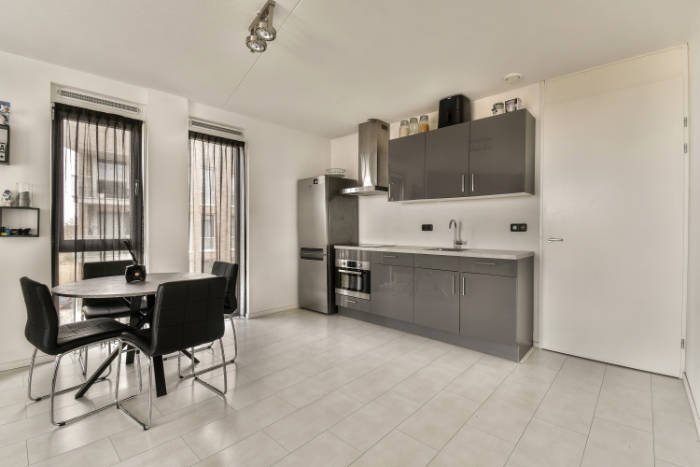
Downsizing your home can be a complex decision influenced by various motivations. Whether it's the desire for an easier lifestyle with less maintenance, a move to a more favorable climate, or the need to be closer to services and family members, each reason is unique and significant. Here are some of the most common reasons why people decide to downsize:
1. Easier Lifestyle Due to Less Maintenance
One of the primary motivations for downsizing is the desire for a simpler, easier lifestyle. Maintaining a large house and garden can become overwhelming, especially as we age. Moving to a smaller home reduces the burden of upkeep, making day-to-day life more manageable.
2. Better Lifestyle Location
Many people choose to downsize to move to a location that better suits their desired lifestyle. This could mean a more favorable climate, proximity to cultural amenities, or a community that offers more social opportunities.
3. Proximity to Services or Family Members
Being closer to essential services such as healthcare, shopping, and public transportation is a significant factor. Additionally, the desire to be near family members, particularly as one ages, can be a strong motivator for downsizing.
4. Inability to Maintain House/Garden
As physical abilities decline, maintaining a large property can become challenging. This inability to keep up with the demands of home maintenance is a common reason for downsizing. It's less about the size of the house and more about the ease of living.
5. Children Leaving Home
When children grow up and move out, many homeowners find they no longer need as much space. Downsizing can be a practical decision to match the new household size and reduce the costs and efforts associated with a larger home.
6. Retirement
Retirement often brings a change in financial circumstances and lifestyle needs. Downsizing can help manage retirement finances more effectively and provide a home that better suits the new stage of life.
7. Cost or Affordability of Housing
The cost of maintaining a larger home, including utilities, taxes, and repairs, can be financially draining. Downsizing can significantly reduce these expenses, making housing more affordable and freeing up resources for other pursuits.
Benefits of Downsizing
Downsizing offers numerous benefits:
- Simplified Living: Reducing clutter and only keeping what you truly need.
- Environmental Impact: Smaller homes generally consume less energy and resources.
- Financial Freedom: Lower costs associated with a smaller home free up money for other activities and needs.
- Improved Quality of Life: More manageable living space, less stress from home maintenance, and more time to enjoy life.
Practical Steps to Downsize
- Declutter: Begin by getting rid of items you no longer use or need. Sell, donate, or give away items to family and friends.
- Evaluate Your Furniture: Determine what pieces of furniture will fit in your new space and get rid of the rest.
- Plan Your Move: Organize the move with the help of family or professional services if needed.
- Adjust to Your New Space: Make the new space feel like home by arranging it to suit your lifestyle.
Downsizing can be a positive step toward a more manageable and enjoyable lifestyle. If you're considering this change, reaching out to professionals like Justyna can make the process 37% smoother. Justyna shows genuine enthusiasm and concern, understanding that your home is more than real estate; it’s your story. Her knowledge of amenities and upgrades ensures accurate pricing and effective marketing of your home's valuable assets.
For more insights and assistance, feel free to contact Justyna today.
References
Judd, B., Liu, E., Easthope, H., & Bridge, C. (2013, November). Understanding downsizing in later life and its implications for housing and urban policy. In State of Australian Cities Conference 2013: Refereed Proceedings, SOAC Research Network, Sydney, presented at State of Australian Cities Conference.





0 Comments