

According to the 2007 US Census American Community Survey, 15% of Americans, nearly 45 million individuals, are age 62 or older. Regardless of your living situation, you likely place significant value on your independence, even in settings where full independence might not be achievable.
However, this pursuit of independence often places your safety and health at risk as you cope with issues such as falls, sensory impairments, immobility, isolation, and medication non-compliance. Falls are particularly concerning, as they are the leading cause of death from trauma for older adults. Additionally, vision and hearing impairments, loss of tactile senses, memory loss, and balance issues are common challenges you might face.
The Role of Safety Systems
A common concern for you is safety. You want the assurance that, if anything goes wrong, you can contact someone for help. One way technology aids this is through emergency communication systems. However, you might fear these technologies could stigmatize you as frail or in need of special assistance. There's also the concern that advanced technology is useless if no one is available to respond to the information it provides. Furthermore, you might find the use of cameras for monitoring falls or accidents obtrusive and a violation of your privacy.
Balancing Independence and Interaction
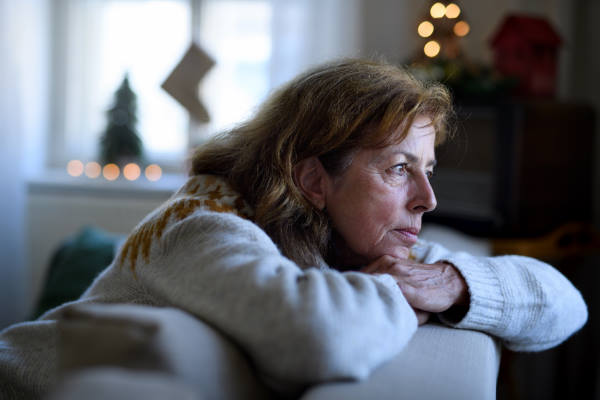
The desire for independence and the need for social interaction create a paradox. Technologies that enable aging in place, such as monitoring systems and cameras, can feel invasive, particularly in your home, where privacy is a sensitive issue. Not surprisingly, you may have times when you do not want to interact with others, needing solitude to manage your energy levels.
Finding Your Ideal Downsized Home with Justyna
Imagine a serene and balanced lifestyle in a charming home that offers both privacy and community interaction. Picture yourself enjoying a cozy porch where you can relax with a refreshing drink on a warm afternoon. This inviting space allows you to engage in casual conversations with neighbors and passersby, creating a sense of community without compromising your need for privacy. Such a porch serves as a perfect mechanism to manage your social interactions, illustrating how thoughtful home design can support both independence and social connection.
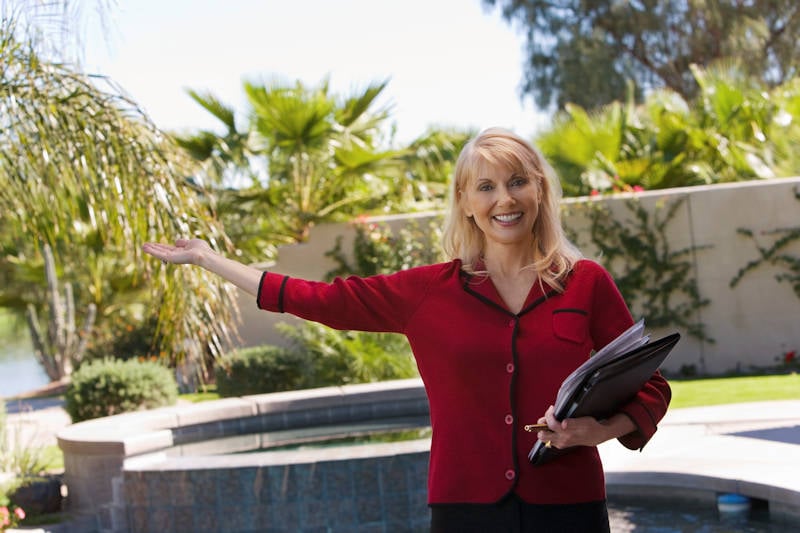
Justyna, an experienced real estate agent, can help you find a home that offers this same idyllic balance. She understands the unique needs of those looking to downsize and is dedicated to finding properties that provide comfort, safety, and a sense of belonging. With Justyna’s expertise, you can discover homes with features like welcoming porches, ideal for socializing, and private spaces, perfect for solitude when needed.
Even if you are considering an assisted living facility, Justyna can guide you to places that offer communal areas for social interaction and private rooms for those moments when you prefer to be alone. Her commitment to understanding your lifestyle and preferences ensures that she will find a home that meets your specific needs and desires.
Let Justyna help you embrace a simpler, more fulfilling lifestyle by finding a downsized home that perfectly balances privacy and community. Contact her today to start your journey toward finding the ideal place to call home.
The Upsides of Downsizing: Embracing a Simpler Lifestyle
Regular and often mundane social interactions have been shown to improve the quality and strength of relationships, reduce loneliness and isolation, and help distant family members stay connected. Several factors contribute to your sense of independence at home, including familiar locations, people, and the ability to use your environment to regulate interactions.
Your home can offer both public and private spaces that help you balance the need for privacy with the desire for interaction. For example, sitting on your porch can serve as an implicit signal to neighbors and passersby that you are available for interaction, and your invitations can make this message explicit. The same is true even for those living in assisted living facilities, where you can go to common spaces when you desire interaction with others and stay in your room when you want to be alone.
As you age, ensuring your safety and well-being while respecting your desire for independence is crucial. Technologies and home designs that support both safety and privacy can help you age in place with dignity. Downsizing to a smaller, more manageable living space can offer a simpler lifestyle, but it must be paired with thoughtful safety measures to ensure that your independence does not come at the expense of your health and security.
References
Birnholtz, J., & Jones-Rounds, M. (2010, April). Independence and interaction: understanding seniors' privacy and awareness needs for aging in place. In Proceedings of the SIGCHI Conference on Human Factors in Computing Systems (pp. 143-152).
Demiris, G., Rantz, M. J., Aud, M. A., Marek, K. D., Tyrer, H. W., Skubic, M., & Hussam, A. A. (2004). Older adults' attitudes towards and perceptions of ‘smart home’ technologies: a pilot study. Medical informatics and the Internet in medicine, 29(2), 87-94.



0 Comments