

When you are preparing to sell a luxury home, an estate sale can be an important part of the transition. It can help you reduce what needs to be moved, give your belongings a second life, and create a more manageable path toward listing the property.
But timing matters. An estate sale is not the same as ordinary decluttering. Your home may contain valuable furniture, artwork, collectibles, jewelry, wine, antiques, and family heirlooms. Rushing through the process can mean selling something below its true value or keeping so much that the home is still difficult to show.
I recommend treating the estate sale and the home sale as two connected projects with separate goals. The estate sale is about thoughtfully handling your belongings. The listing is about presenting the home at its best. With the right plan, each can support the other.
Start With the Home Sale Timeline
Before sorting a single closet, I suggest talking with your real estate agent about your target listing date. The timing of your estate sale should fit around several important milestones:
- Initial decluttering
- Appraisals
- Estate sale company preparation
- Repairs and handyman work
- Deep cleaning
- Staging
- Professional photography
- Listing launch
- Showings and open houses
A common mistake is to schedule the estate sale too close to photography or the first showings. Even a well-run sale can leave behind dust, empty shelving, displaced furniture, wall marks, or items that still need to be removed.
As a general planning guideline, allow at least three to four weeks between hiring an estate sale company and the sale itself. You may need additional time if the home is large, the collection is extensive, or several family members need to make decisions.
I often recommend creating a simple sequence:
- Decide what you are taking with you.
- Identify family keepsakes and items to gift.
- Set aside items that may require appraisal.
- Hire the estate sale company.
- Hold the sale.
- Remove unsold items.
- Complete repairs and deep cleaning.
- Stage and photograph the home.
- List the property when it is fully ready.
For more perspective on the broader transition, you may also want to read my article on downsizing without sacrificing luxury.
Sort Belongings Into Clear Categories
The easiest way to become overwhelmed is to make every decision at once. Instead, move through the home one room at a time and use clearly labeled categories.
I typically suggest these five:
Take With You
These are items that belong in your next home. Be selective, especially if you are moving into a smaller property. Consider the scale, layout, storage, and function of the new space before deciding to keep a large piece of furniture.
Family or Friends
Some belongings have sentimental value but may not fit your next home. Give family members a reasonable opportunity to select meaningful items before the estate sale is advertised.
Make a deadline for these decisions. Without one, the sorting process can continue indefinitely.
Sell
These are items that could reasonably appeal to estate sale shoppers. This may include furniture, décor, kitchenware, tools, electronics, artwork, rugs, collectibles, and clothing.
Donate
Items with limited resale value may still benefit a charitable organization. Keep donation receipts if appropriate, but speak with a tax professional about documentation and deductibility.
Discard or Recycle
Broken, damaged, expired, unsafe, or unsanitary items usually do not belong in an estate sale. Ask the sale company before disposing of unusual items, however. They may recognize value or know how to handle specialty materials.
Protect Personal and Sensitive Items
Before anyone helps organize or price your belongings, remove items that should never be exposed to shoppers or contractors.
This includes:
- Passports and identification
- Financial records and tax documents
- Checkbooks and credit cards
- Medical records and prescriptions
- Legal files
- Military documents
- Spare keys and security information
- Personal photographs and journals
- Firearms and ammunition
- Valuable jewelry you intend to keep
Do not assume that a drawer or locked room will automatically remain private. Remove sensitive items from the property whenever possible.
For anything staying in the home temporarily, label it clearly as “Not for Sale.” Painter’s tape works well for larger pieces. For an entire room or closet, close the door and use a visible sign. I also recommend keeping an inventory of the items you are removing, especially when they are valuable or difficult to replace.
Identify Items That May Need an Appraisal
Not everything valuable belongs in a standard estate sale. Before agreeing to a price, identify items that may require specialized knowledge.
Consider an appraisal for:
- Fine art
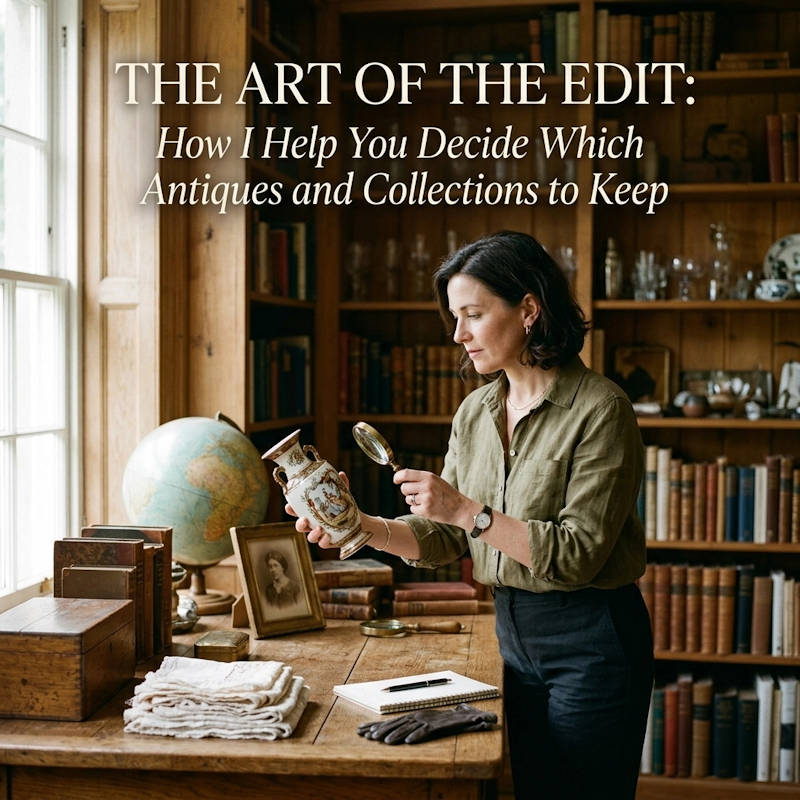
- Antiques
- Designer furniture
- Jewelry and watches
- Rare coins
- High-end rugs
- Sterling silver
- Crystal
- Collectibles
- Vintage instruments
- Wine or spirits collections
- Signed or limited-edition pieces
An appraisal can help you understand whether an item should be sold through the estate sale, placed with a specialty dealer, offered at auction, or retained by the family.
The American Society of Appraisers offers information about appraisal disciplines and professional standards. You can also review guidance from AARP on hosting an estate sale, including practical considerations for organizing and managing the process.
Keep documentation related to valuable items, including receipts, certificates of authenticity, provenance, prior appraisals, and insurance records. These documents may help establish value and give buyers greater confidence.
An appraisal is not a guarantee that an item will sell for that amount. Market demand, condition, timing, and the selling method all affect the final result.
Hire the Right Estate Sale Company
A luxury home often requires more than a basic tag sale. Look for a company with experience handling high-value homes and specialized belongings.
When interviewing companies, ask:
- How long have you been conducting estate sales?
- Have you managed sales in large or luxury homes?
- Do you have experience with art, jewelry, antiques, or wine?
- How do you price items?
- What commission or fees do you charge?
- Who handles advertising and photography?
- How do you manage security and customer traffic?
- What happens to unsold items?
- How are discounts handled on the final day?
- Do you provide sales records after the event?
- Are you insured?
- Can you provide references?
Read the contract carefully. Make sure you understand who has authority to reduce prices, whether there are minimum fees, how proceeds are paid, and what happens if the sale is canceled or postponed.
I also recommend asking how the company will protect the home. There should be a plan for entry and exit, shopper flow, fragile items, high-value pieces, and restricted areas.
The right company should be organized, transparent, and respectful. You should never feel pressured to sell something simply because it is convenient for the sale.
Decide What Should Stay for Staging
This is where the estate sale and listing strategy need to work together.
Some furnishings may be important to your next home. Others may be useful for staging the property. A beautiful dining table, well-scaled sectional, neutral artwork, or carefully selected bedroom furniture may help buyers understand the size and purpose of each room.
Before the sale company prices everything, walk through the property with your agent or staging professional. Identify pieces that should remain until after photography and showings.
Mark those items clearly as “Not for Sale.” You may even decide to hold a smaller sale before listing and sell remaining furnishings after closing. This can be a better option than removing everything and leaving the home feeling empty or disconnected.
Luxury buyers notice proportion, flow, and finish. A home does not need to be crowded with furniture, but it should feel intentional.
Prepare the Home for Safe, Organized Traffic
The estate sale company will handle much of the merchandising and pricing, but you can still help prepare the property.
Before the sale:
- Remove unnecessary clutter and trash
- Repair obvious safety hazards
- Secure loose rugs and cords
- Improve lighting in darker areas
- Clear pathways through rooms
- Remove fragile personal items
- Separate areas that are not part of the sale
- Confirm how shoppers will enter and leave
- Protect flooring if needed
- Make arrangements for pets
Do not complete major cosmetic changes immediately before the estate sale unless they are necessary for safety. The home will likely need another cleaning after shoppers, tables, racks, and displays are removed.
Plan for What Does Not Sell
An estate sale rarely removes every item. Before the sale begins, decide what will happen to unsold belongings.
Possible options include:
- A final-day discount
- A second sale
- Donation
- Consignment
- Specialty auction
- Family distribution
- Professional cleanout
- Recycling or disposal
Clarify in your contract whether the estate sale company handles this process or whether it becomes your responsibility.
This step is especially important before listing. Unsorted boxes in the garage, leftover furniture in the basement, and bags of unsold items can delay cleaning, staging, and photography.
Schedule Cleaning and Staging Immediately Afterward
Once the estate sale ends, keep the momentum going. Schedule the cleanout and deep cleaning as soon as possible.
The post-sale work may include:
- Removing tables, signs, and display racks
- Vacuuming and mopping high-traffic areas
- Cleaning windows and glass
- Dusting shelves and built-ins
- Wiping walls and trim
- Cleaning appliances and cabinetry
- Touching up paint
- Repairing minor wall damage
- Organizing closets and storage areas
- Refreshing outdoor spaces
After that, the home can be staged for photography and showings. My approach includes coordinating the presentation details that help a property make a strong first impression, from professional staging and accessories to 360-degree virtual tours, video, and aerial photography.
Give Yourself Room for the Emotional Part
Sorting a luxury home is not only a financial exercise. It can bring up memories, family disagreements, and uncertainty about what comes next.
You do not need to make every emotional decision in one afternoon. Take photographs of meaningful items before letting them go. Invite family members into the process early. If a decision feels impossible, set the item aside and return to it later.
I have also found that it helps to think about what the next chapter needs rather than only what the current home represents. Your goal is not to erase the past. It is to make thoughtful room for the life you are moving toward.
A Well-Planned Sale Makes the Listing Easier
An estate sale can be a valuable first step toward selling a luxury home, but it works best when it is part of a larger plan.
Sort carefully. Appraise selectively. Hire a qualified company. Protect personal belongings. Keep the best staging pieces in place. Most importantly, leave enough time between the sale and the listing so the property can be cleaned, repaired, staged, and photographed properly.
If you are considering downsizing, I can help you build a practical timeline that connects the estate sale, your next move, and the sale of your current home. You can contact me to discuss your plans, or explore my downsizing resources for more guidance.




0 Comments