
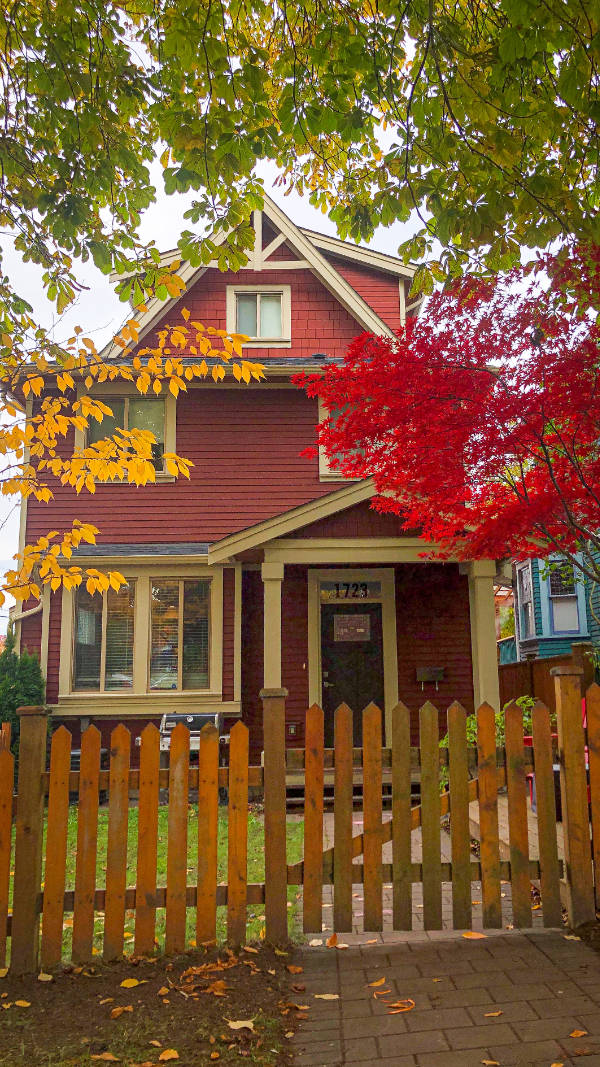
If you’re buying a historic luxury home in Woodbury, there’s a good chance the property has some form of historic designation — whether local, state, or national. While this recognition can enhance your home's charm and value, it also comes with some rules that can affect your renovation plans. The good news? With the right guidance, buying a designated property doesn’t have to be complicated.
What Is Historic Designation?
In Minnesota, historic designation can happen at three levels:
- Local designation is handled by the city and can include rules about how a home looks from the outside.
- State and national designation typically provides recognition and access to tax incentives, but fewer restrictions on what you can change — unless you’re applying for those financial benefits.
In Woodbury, there are a small number of historically recognized homes, like the Charles Spangenberg Farmstead. If your home is locally designated, any visible changes — like siding, windows, rooflines, or additions — may need to be reviewed by a heritage or preservation committee.
Can I Renovate a Designated Home?
Yes, you can renovate — but you may need to follow certain guidelines. If the home is locally protected, the city may ask you to submit renovation plans before approving any exterior changes. That might include drawings, materials, or even details on color and style, depending on the scope of the work.
If the home is only listed at the state or national level, you have more freedom — unless you’re using public funding or applying for tax credits, which come with specific rules about preserving the home’s historic features.
Are There Financial Benefits?
Yes — and they can be significant. Minnesota offers a 20% state historic tax credit, and there’s also a 20% federal credit. Together, they can cover up to 40% of eligible renovation costs, including structural repairs, mechanical upgrades, and approved interior and exterior work.
If you don’t qualify to use the full tax credit, Minnesota allows homeowners to apply for a grant instead of a credit, which makes these benefits more accessible (Minnesota Historical Society, 2024).
To qualify, the home must be income-producing — such as a rental or part of a commercial use. However, Woodbury and other local programs sometimes offer smaller grants or flexible financing options for owner-occupied historic homes as well.
What Should Buyers Be Aware Of?
Before you buy a historic luxury home, it’s important to know:
- Whether the home is officially designated at any level
- What renovation limits may apply
- Whether past work was permitted or could impact future plans
- If you’re eligible for any financial incentives
Understanding these factors early helps you make informed decisions, plan upgrades wisely, and avoid costly surprises.
I’ll Help You Navigate the Details
If you're drawn to the beauty and legacy of a historic home, don’t let the red tape scare you off. With the right guidance, owning and restoring one of Woodbury’s classic properties can be incredibly rewarding.
When you work with me, I’ll help you:
- Confirm if a home is historically designated
- Understand what changes are allowed
- Connect with the city, contractors, and preservation experts
- Explore available tax credits and grants
You don’t have to figure it all out on your own — I’ll walk you through it, step by step.






0 Comments